Jamestown journal
Lab Safety Symbols
Lab safety symbols are vital for maintaining a secure laboratory environment. They provide quick visual warnings about hazards such as chemicals, fire, and biohazards. Understanding these symbols ensures that everyone in the lab can identify risks and follow proper safety protocols effectively.
By Erik Van Hollen
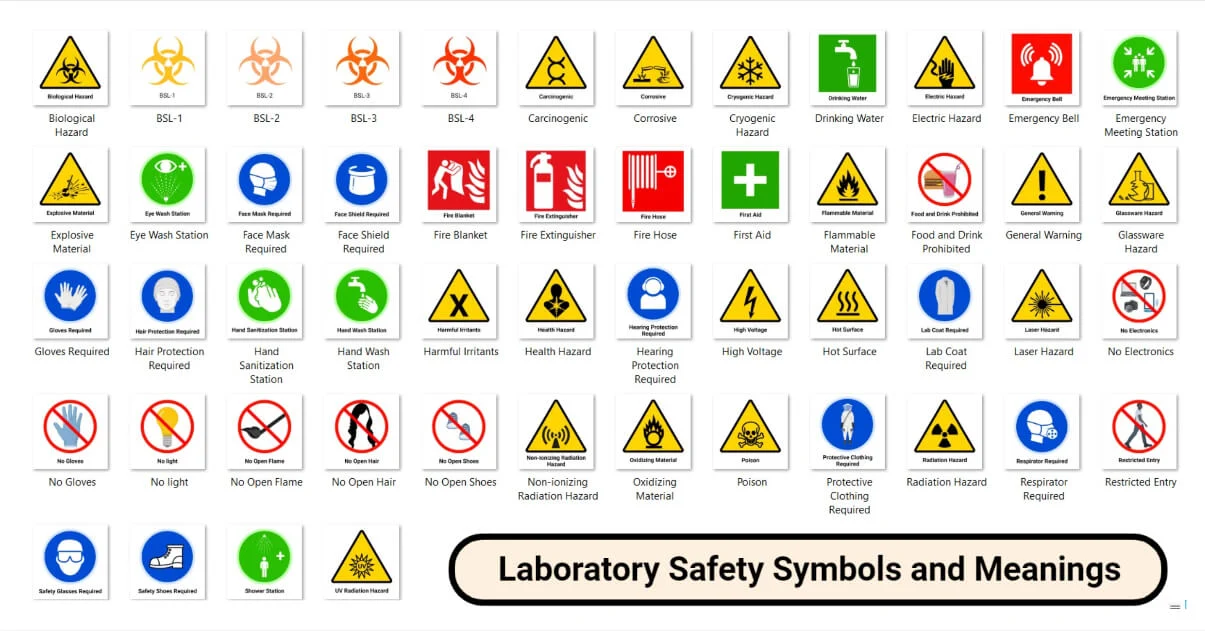
Lab Safety Symbols are standardized icons used in laboratories to quickly identify risks such as fire, chemical, biological, physical, or radiation hazards. They guide safe handling, proper equipment use, and emergency response. For executives and IT leaders, these symbols ensure compliance, reduce liability, and protect both staff and operations.
🔥 Fire Safety Symbols
When it comes to lab safety, fire hazards are the flashy rock stars—dangerous, unpredictable, and guaranteed to cause chaos if you’re not prepared. That’s why labs use specific fire safety symbols to keep everyone on their toes. Let’s break them down:
Fire Extinguisher
- Think of this symbol as your “break glass in case of emergency” sign. It tells you exactly where to find the extinguisher when flames decide to make an unscheduled appearance.

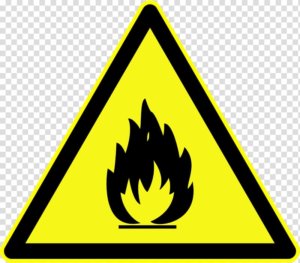
Flammable
- This one screams: Handle with care. If you see this, you’re working with something that will catch fire faster than gossip in the breakroom. Keep it far away from sparks, heat, and open flames.
No Open Flames
- Pretty straightforward—this is the lab’s polite way of saying, “Don’t light that candle here.” If you see this, matches, lighters, or Bunsen burners are strictly off the table.

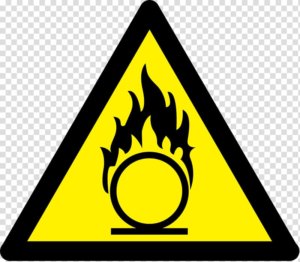
Oxidizing Material
- Now here’s the sneaky one. These chemicals don’t just burn; they make other things burn hotter and faster. Think of them as accelerants that pour gasoline on an already bad situation.
Pro tip: Fire symbols aren’t there for decoration. If you ignore them, you’re not just risking property damage—you’re playing with the safety of your team.
For a deeper dive into building a safer work environment, check out our insights on designing labs with compliance in mind.
⚠️ Hazard Symbols
In the lab, hazard symbols are basically emojis with higher stakes—they’re shorthand for “don’t mess around.” Each one packs a punch of meaning, helping you dodge everything from ruined experiments to ER visits. Let’s unpack the lineup.
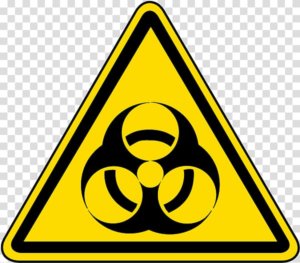
Biohazard
- If you see this symbol, you’re in the splash zone of viruses, bacteria, or other pathogens. Translation: gloves, masks, and maybe even a quick prayer.
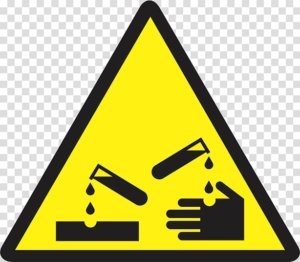
Corrosive Material Hazard
- This one’s the chemical version of acid reflux—it eats through skin, metals, and just about anything else unlucky enough to be in its path. Goggles and gloves aren’t optional here.
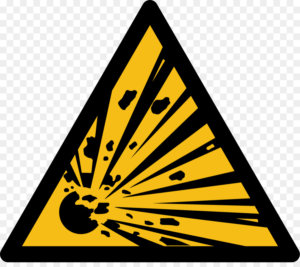
Explosive Material
- No mystery here. This sign warns of substances that might go boom if you drop, shake, or even look at them funny. Handle like you’re defusing a bomb.
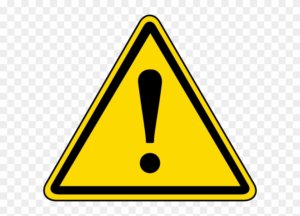
General Warning
- The Swiss Army knife of hazard symbols. It says, “Danger’s afoot,” without giving away the plot twist. Always worth a pause before proceeding.
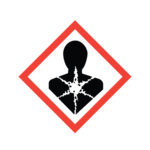
Health Hazard
- Unlike the explosive stuff, these materials play the long game—think carcinogens, respiratory irritants, and other silent troublemakers. Respect the symbol even if the danger isn’t immediate.
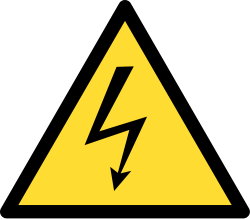
High Voltage
- This symbol screams electricity. Touch the wrong thing and you’re not just shocking your hair—you’re risking your heartbeat.
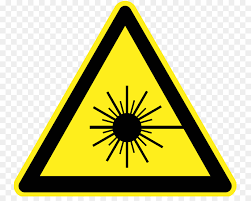
Laser Beam Hazard
- Lasers aren’t just for sci-fi villains. The beam hazard means serious eye or skin damage if you wander into the wrong path.
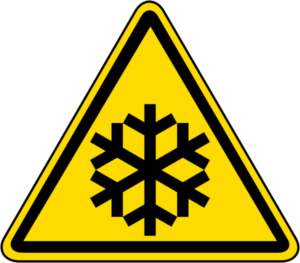
Low Temperature
- Extreme cold isn’t cozy—it’s frostbite, brittle materials, and possible shattering glassware. Handle cryogenics like they’re lava, just in reverse.
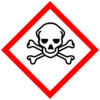
Toxic Material / Poison
- The skull and crossbones doesn’t sugarcoat it. One wrong move and you’re dealing with poisoning by touch, inhalation, or ingestion.
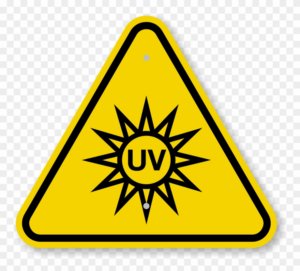
UV Light
- Sunshine vibes? Not here. This symbol marks equipment that can fry your skin or eyes faster than a beach day without sunscreen.
Remember: hazard symbols aren’t optional reading—they’re the lab’s survival guide. Ignoring them is like hitting “skip” on safety instructions for skydiving.
🧑🔬 Physical Safety Symbols
Physical safety symbols aren’t about scary chemicals or things going boom—they’re about protecting you. These signs tell you what gear to use, where to run when something goes wrong, and how to avoid everyday mistakes that could derail your work (and your health).
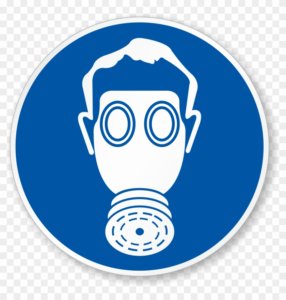
Breathing Masks
- When the air isn’t safe, this symbol steps in. Whether it’s fumes, dust, or airborne particles, the message is clear: cover your nose and mouth or risk coughing through your next meeting.
Eyewash Station
- If you splash something nasty in your eyes, seconds matter. This symbol points you to the sink designed to flush away chemicals before they do permanent damage. Think of it as Ctrl+Z for accidents.

First Aid Station
- Not every incident is catastrophic, but when they are, this symbol shows you where to find help fast. Bandages, disinfectants, maybe even a defibrillator—it’s all behind this green cross.

Food and Drink Prohibited
- This one’s not about dieting—it’s about avoiding contamination. A sandwich in the lab could mean ingesting harmful substances along with your turkey and cheese. Keep snacks outside the danger zone.

Gloves Required
- Hands are the front line in any lab, and this symbol reminds you to armor up. Whether it’s corrosive chemicals, sharp glass, or biological agents, gloves stand between you and disaster.

No Pacemakers or Metallic Implants
- Labs with strong magnets or electrical equipment can be dangerous for anyone with pacemakers, implants, or even certain jewelry. This sign says, “Better safe than sorry—stay clear.”

Quick takeaway: Physical safety symbols are about building good habits. If you treat them like friendly reminders instead of nagging parents, you’ll keep yourself—and your experiments—out of trouble.
☢️ Radiation Hazard Symbols
Radiation hazard symbols are the “handle with extreme caution” signs of the lab world. They don’t just whisper danger—they shout it in neon yellow and black. Each symbol alerts you to invisible risks that can harm cells, tissues, or even equipment if ignored.
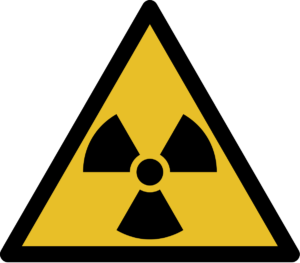
Ionizing Radiation
- This symbol covers the heavy hitters: X-rays, gamma rays, and nuclear material. Ionizing radiation can penetrate deep into the body, damaging DNA and increasing cancer risk. Labs mark these areas so you know when to gear up, limit exposure time, and keep your distance. It’s not paranoia—it’s physics.
Non-Ionizing Radiation
- Less scary on paper, but still a problem. This includes microwaves, radio frequencies, and strong magnetic fields. They won’t split atoms, but they can cause burns, disrupt equipment, and in some cases, interfere with medical devices. The symbol is your cue to respect the invisible waves buzzing around you.
Optical Radiation Hazard
- Think lasers, intense lamps, or concentrated UV beams. These can cause eye injuries, skin burns, or permanent vision damage. The symbol is a big flashing sign saying: “Don’t look directly into the light source, no matter how curious you are.”
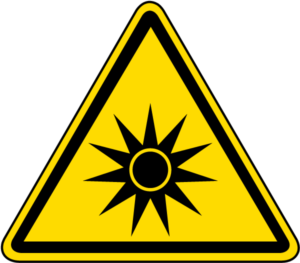
Radiation hazards are tricky because you can’t always see or feel the danger until it’s too late. That’s why these symbols act like a guardian angel for your health, reminding you to shield up, use proper equipment, and follow protocols to the letter.
Bottom line: Radiation isn’t just sci-fi drama—it’s a real lab risk. When you see these symbols, it’s your cue to treat the space with the respect it deserves.
Frequently asked questions about Lab Safety Symbols
What are lab safety symbols used for?
Why are safety symbols important in a lab?
What are the most common lab safety symbols?
Where should lab safety symbols be displayed?
How can students learn to recognize lab safety symbols?
Related Searches
Common laboratory safety symbols and meanings
Importance of lab safety signs
OSHA laboratory hazard symbols
How to teach lab safety to students
Lab safety poster with symbols