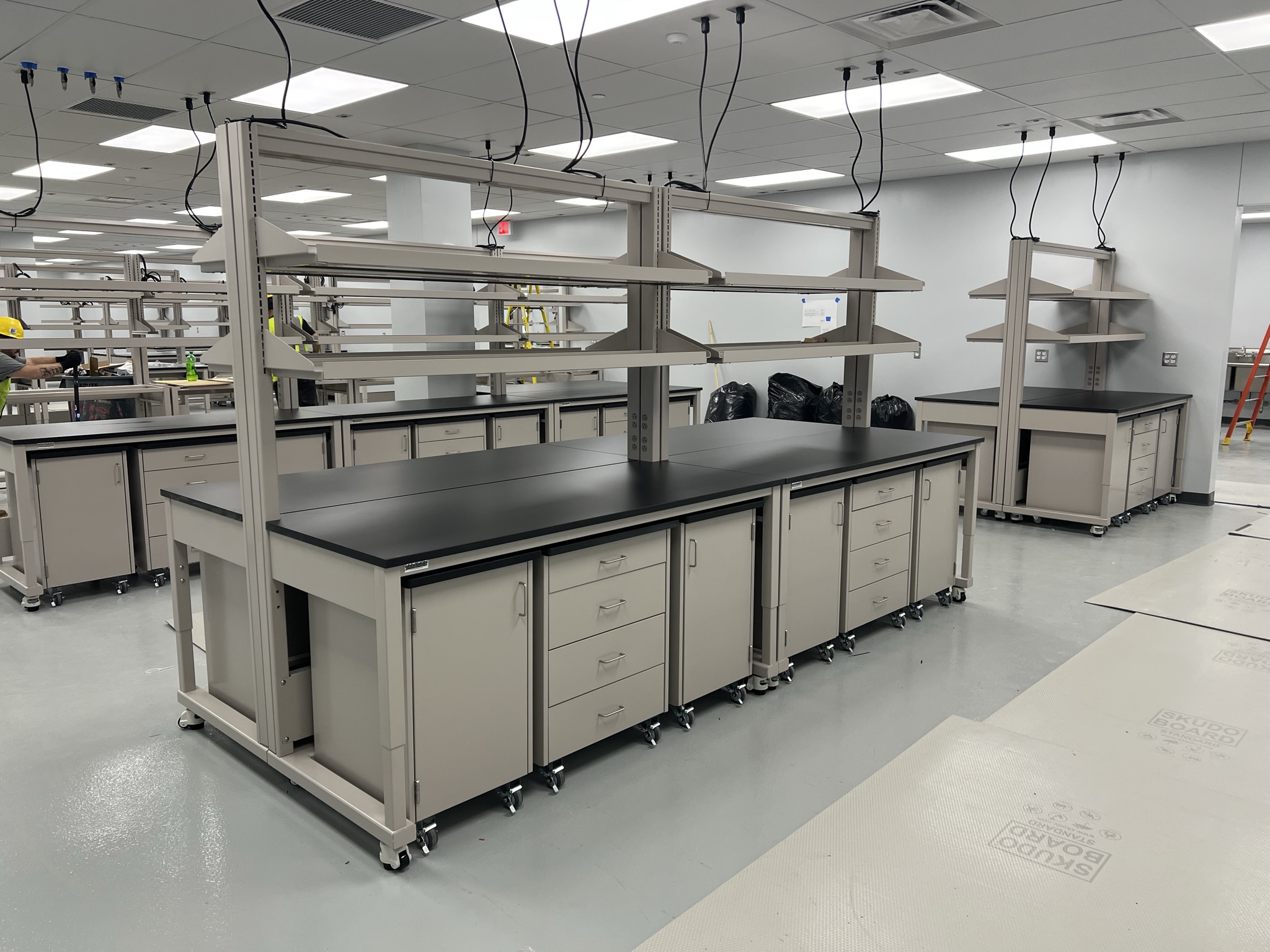
ADA in the Laboratory
ADA in the laboratory refers to designing lab spaces that comply with the Americans with Disabilities Act by ensuring accessibility, safety, and usability for all individuals
Read article ↗Ideas & insights
Explore laboratory planning, material selection, and the details that make a better working environment.
7 articles
ADA in the laboratory refers to designing lab spaces that comply with the Americans with Disabilities Act by ensuring accessibility, safety, and usability for all individuals
Read article ↗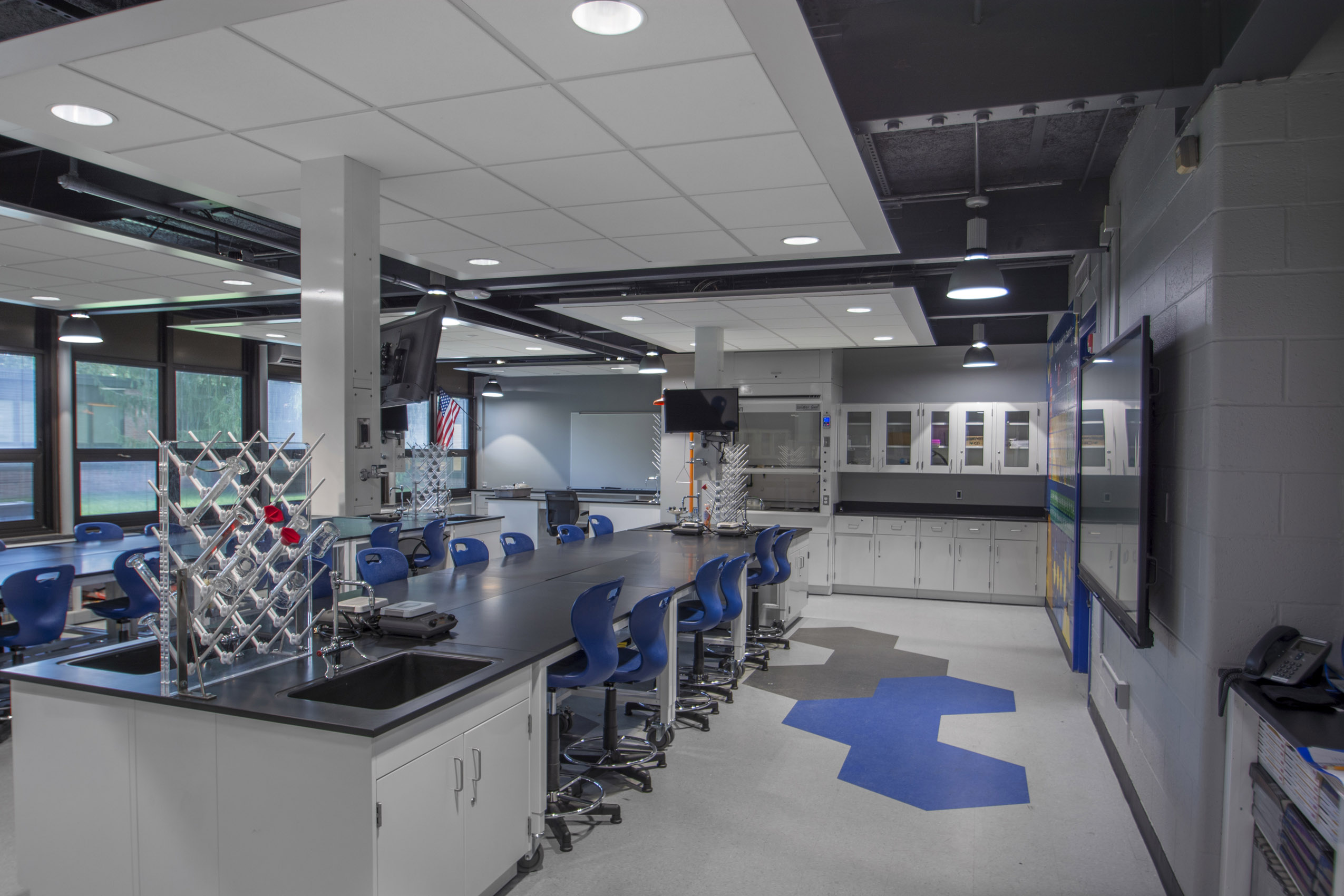
Designing a lab involves planning safe, efficient, and adaptable spaces that meet regulatory standards while supporting education, research, or industrial goals.
Read article ↗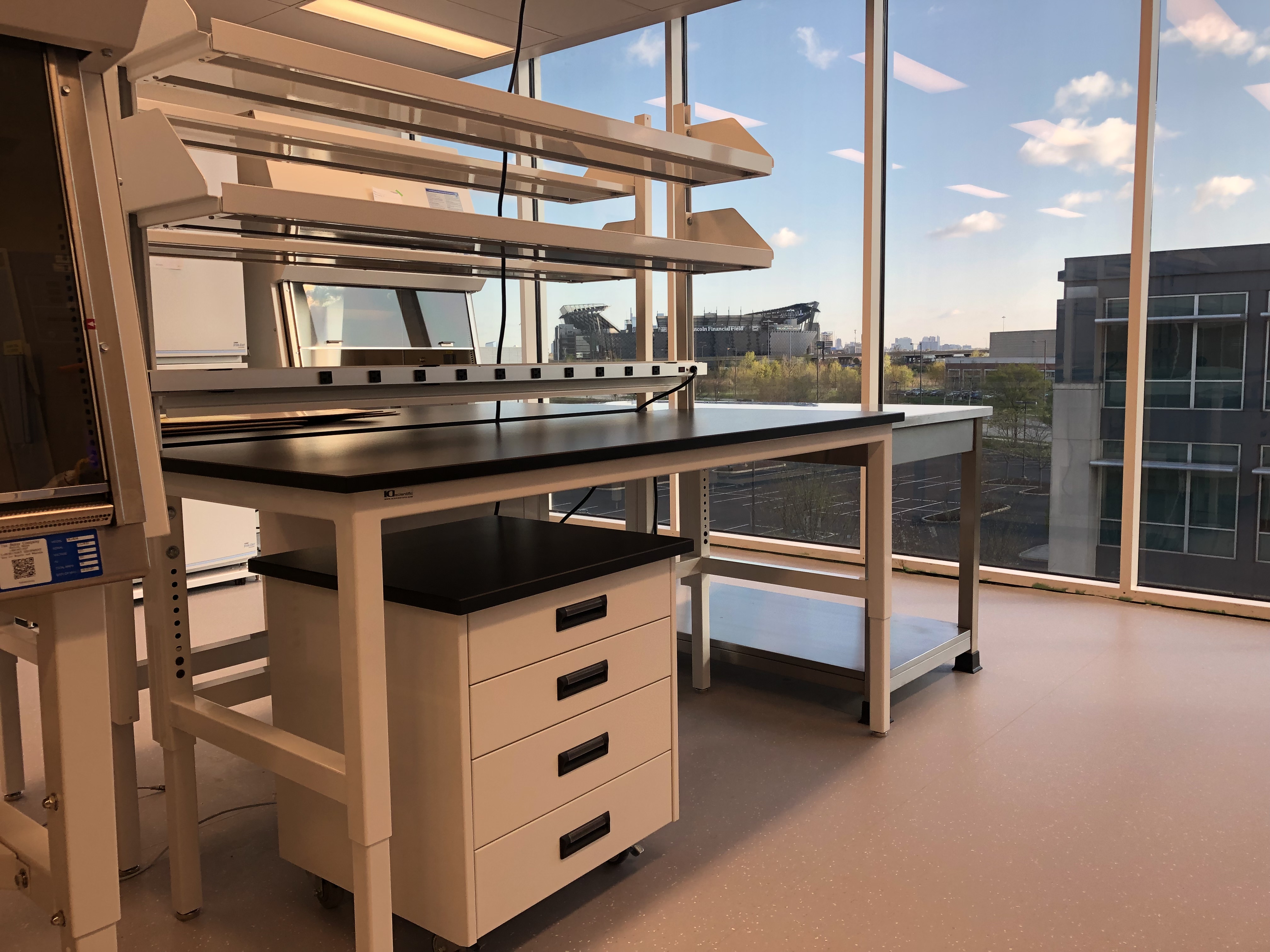
Lab design trends 2025 highlight flexible modular layouts, sustainable building practices, smart technology integration, and ADA-compliant inclusivity.
Read article ↗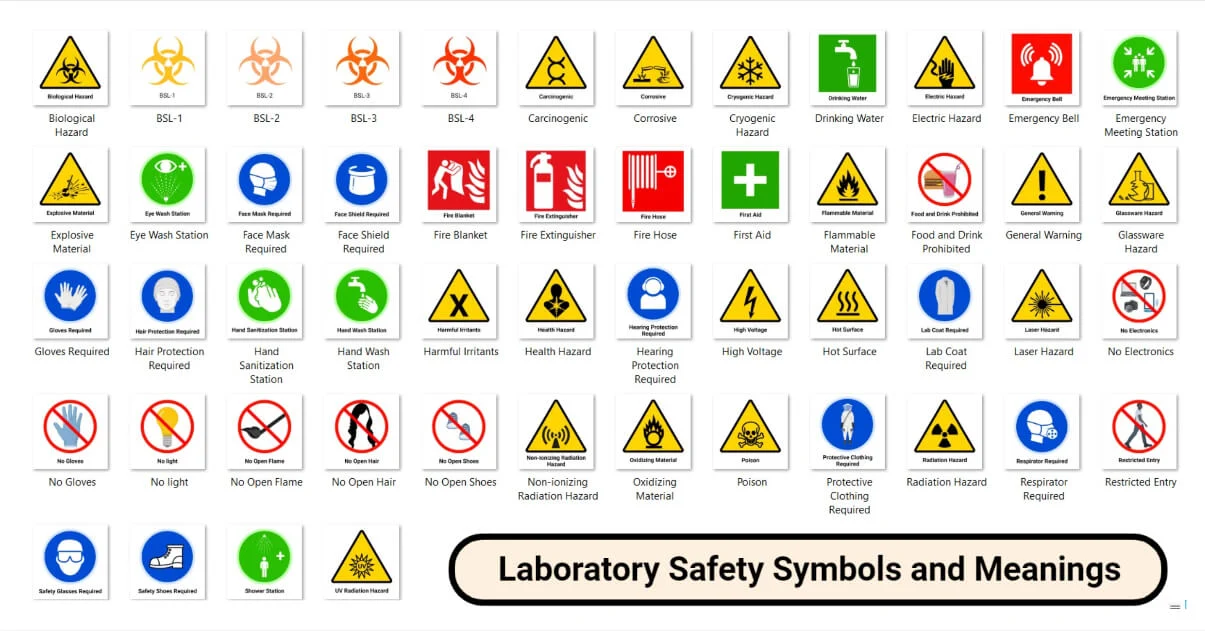
Lab safety symbols are vital for maintaining a secure laboratory environment. They provide quick visual warnings about hazards such as chemicals, fire, and biohazards. Understanding these symbols ensures that everyone in the lab can identify risks and follow proper safety protocols effectively.
Read article ↗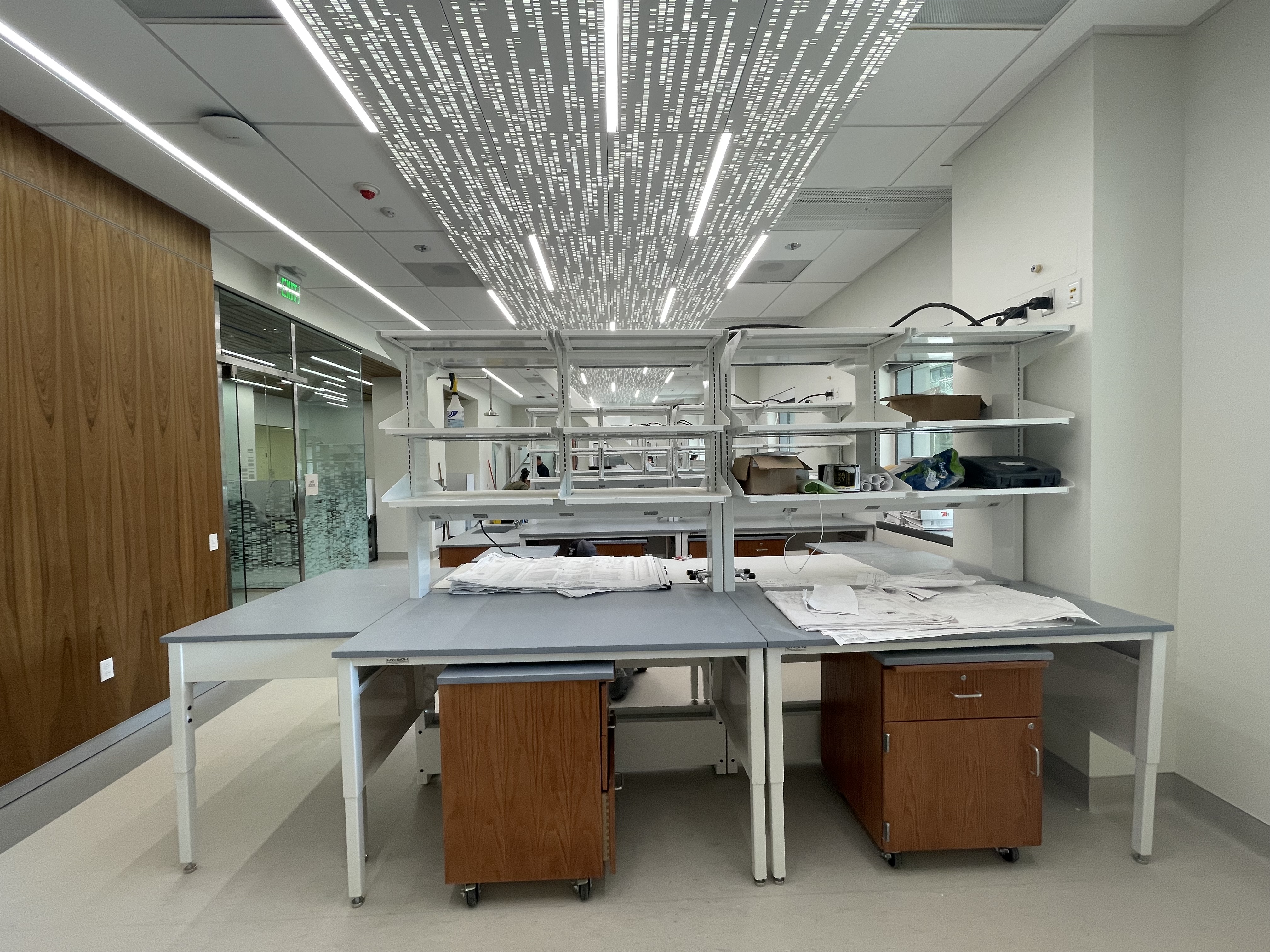
Laboratory casework refers to specialized cabinets, benches, and storage systems for lab environments.
Read article ↗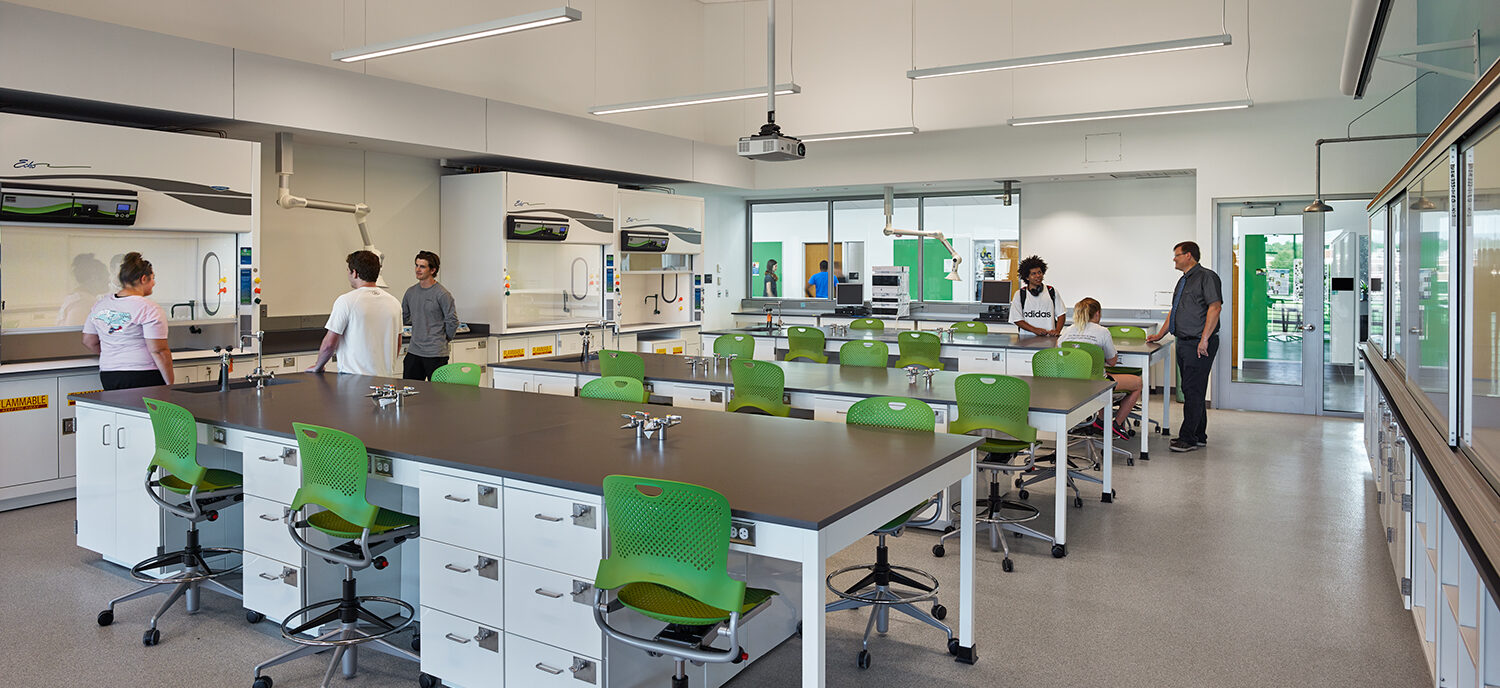
Modular laboratory furniture is reconfigurable lab casework and equipment designed to adapt as research, education, or industrial needs change.
Read article ↗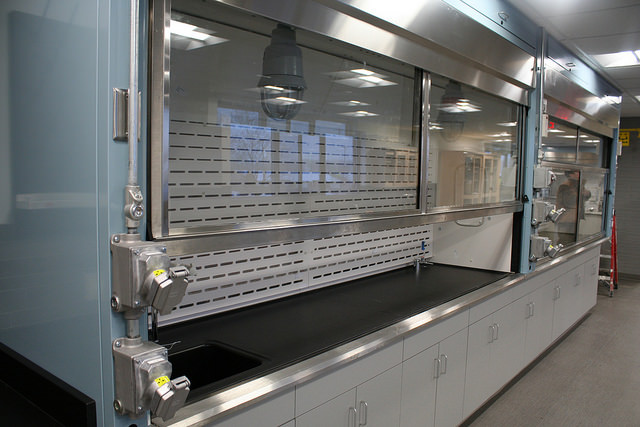
A fume hood is a ventilated laboratory enclosure that protects users from hazardous fumes, vapors, and particles by pulling contaminated air away and filtering or exhausting it safely.
Read article ↗